






Rifleman Q&A: M1 Garand Vs. M1 Carbine Rebarrels
Q. It seems to me that few World War II-vintage M1 Garand rifles retain their original barrels today, whereas most M1 Carbines of the same era I have seen still have the original barrels? Is this true and, if so, why?
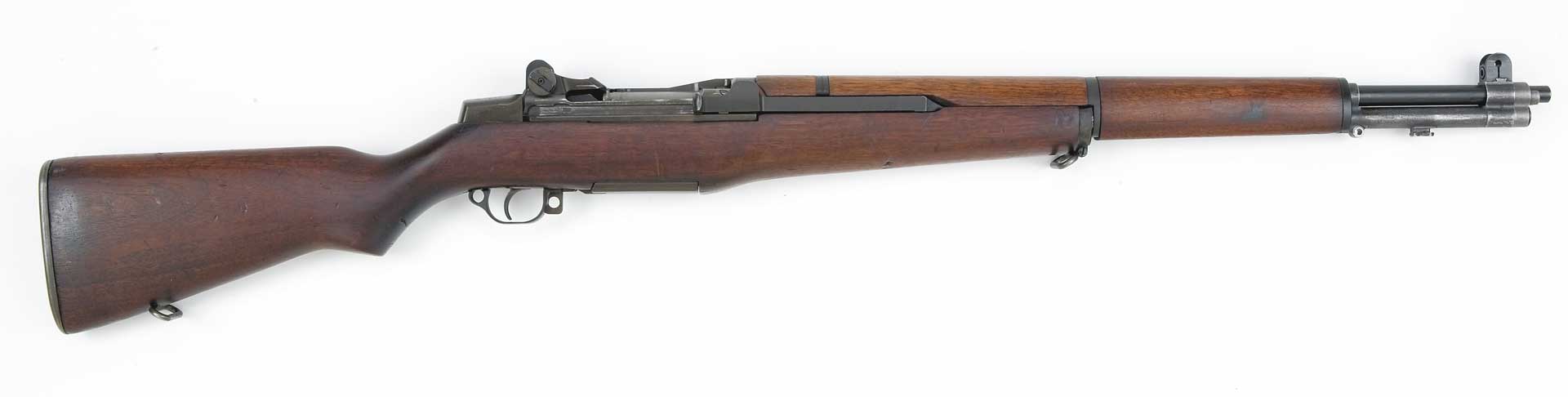
A. Your observations are valid. The majority of M1 Garand rifles manufactured during World War II have, indeed, been re-barreled, typically as part of a post-war arsenal rebuild. It is also true that most M1 Carbines manufactured in the same period were arsenal overhauled after the war as well, but many retain their original barrels.
- Buy All-American!
- Bring health and vitality back to your body with these non-transdermal patches
- Get your Vitamin B17 & Get 10% Off With Promo Code TIM
- How To Protect Yourself From 5G, EMF & RF Radiation - Use promo code TIM to save $$$
- The Very Best All-American Made Supplements On The Market
- Grab This Bucket Of Heirloom Seeds & Save with Promo Code TIM
- Here’s A Way You Can Stockpile Food For The Future
- Stockpile Your Ammo & Save $15 On Your First Order
- Preparing Also Means Detoxifying – Here’s One Simple Way To Detoxify
- The Very Best Chlorine Dioxide
- All-American, US Prime, High Choice Grass-Fed Beef with NO mRNA, hormones or antibiotics... ever!
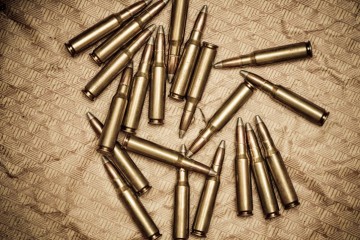
The primary reason for this is due to the type of ammunition used with each. The .30-cal. (.30-’06 Sprg.) cartridges manufactured during World War II were all made with corrosive primers. This resulted in the need to thoroughly clean the bore after firing. If a barrel was not properly cleaned, the corrosive primer compound could quickly ruin the bore, thus necessitating replacement of a barrel when the rifle was overhauled. Extensive cleaning over a period of time could also contribute to bore damage, especially since the M1’s barrel could only be cleaned from the muzzle.
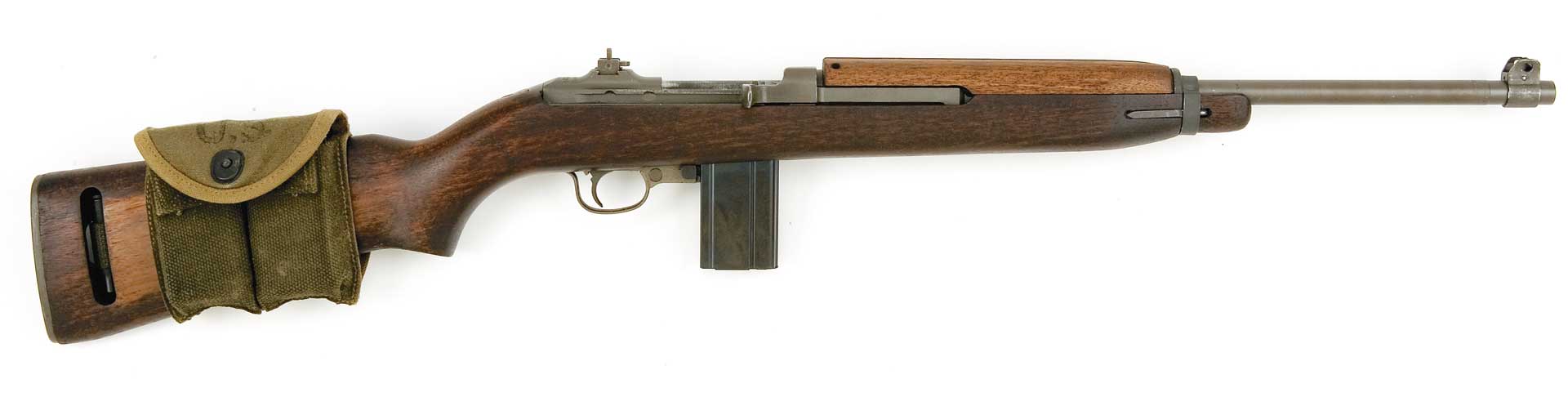
All World War II .30-cal. M1 Carbine ammunition was manufactured with non-corrosive primers. If the barrels were not routinely cleaned, there were no corrosive primer salts to ruin the bores. This also meant that scrupulous cleaning was less important for extended barrel life, which would have been the case if carbine ammunition had corrosive primers. Therefore, carbine barrels were much more likely to be retained during rebuild as compared to Garand barrels.
—Bruce N. Canfield
This “Questions & Answers” was featured in the February 2005 issue of American Rifleman. At time of publication, “Questions & Answers” was compiled by Staff, Ballistics Editor William C. Davis, Jr., and Contributing Editors: David Andrews, Hugh C. Birnbaum, Bruce N. Canfield, O. Reid Coffield, Charles Q. Cutshaw, Charles M. Fagg, Charles Karwan, Angus Laidlaw, Evan P. Marshall, Charles E. Petty, Robert B. Pomeranz, O.D., Jon R. Sundra, Jim Supica, A.W.F. Taylerson, John M. Taylor and John Treakle.
To subscribe to the magazine, please visit the NRA membership page and select American Rifleman as your member magazine.
Article by BRUCE N. CANFIELD, FIELD EDITOR